


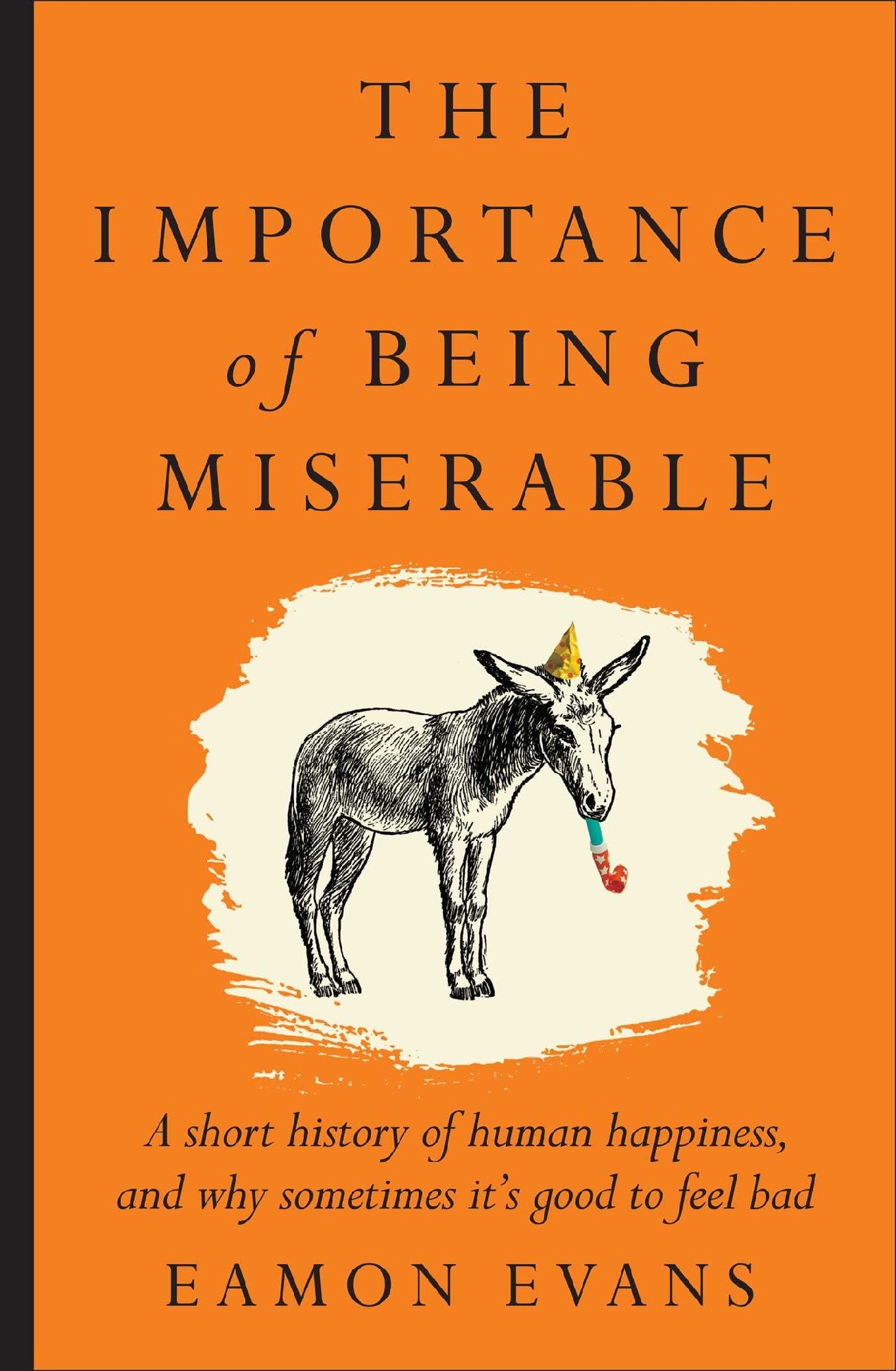
The Importance of Being Miserable by Eamon Evans
"The Importance of Being Miserable" delves into the intriguing notion that the pursuit of happiness, a seemingly universal human goal, is a relatively modern concept. The text challenges the widely held belief that life is meant to be a constant quest for joy and fulfillment. Instead, it suggests that for much of human history, the idea of feeling good was not a primary concern.
The narrative takes readers on an engaging journey through Western history, examining how the perception of happiness has evolved over time. It highlights the shift from ancient philosophical perspectives, where happiness was often seen as a byproduct of virtue or wisdom, to contemporary views that prioritize personal satisfaction and emotional well-being.
The text also explores the potential downsides of this modern obsession with happiness. It posits that the relentless pursuit of a positive emotional state may actually contribute to feelings of sadness and dissatisfaction. By examining cultural milestones, such as the influence of religion, literature, and even modern medicine, the text suggests that embracing negative emotions might offer valuable insights and contribute to a more balanced and meaningful life.
Ultimately, "The Importance of Being Miserable" invites readers to reconsider the role of unhappiness in their lives. It proposes that experiencing and understanding negative emotions can be an essential part of the human experience, offering depth and perspective that a singular focus on happiness might overlook.